

Imported fruits have become an essential part of India’s fresh produce market. From premium apples and kiwis to avocados, dragon fruits, blueberries, cherries, and imported grapes, consumers today expect high-quality fruits that are fresh, nutritious, and visually appealing. However, maintaining this quality from the moment these fruits arrive in India until they reach wholesalers, retailers, supermarkets, hotels, and consumers is a challenging process.
Unlike locally sourced produce, imported fruits travel thousands of kilometers through sea freight, air cargo, and road transportation before reaching their destination. During this journey, even a slight variation in temperature or humidity can affect their freshness, texture, appearance, and nutritional value. This is why Cold Storage for Imported Fruits has become an indispensable part of the modern food supply chain.
A professionally managed cold storage facility provides the ideal environment required to preserve imported fruits for extended periods while minimizing spoilage and maintaining their premium quality. Whether you are an importer, distributor, wholesaler, retailer, or supermarket owner, investing in reliable Imported Fruit Storage solutions can significantly reduce losses and improve customer satisfaction.
At DS Cold Storage Chain, located in Nathupur, Sonipat, Haryana, we provide modern Temperature Controlled Storage solutions designed to help businesses maintain the freshness, quality, and shelf life of imported fruits with advanced cold storage infrastructure and hygienic storage conditions.
Why Cold Storage for Imported Fruits Is Essential
Imported fruits undergo an extensive journey before reaching Indian markets. Depending on the country of origin, fruits may spend several days or even weeks in transit. During this period, maintaining consistent temperature and humidity is critical to preventing quality deterioration.
Once imported fruits arrive at warehouses or distribution centers, they require immediate placement in a professional Fruit Cold Storage facility. Without proper storage, fruits continue to ripen rapidly, lose moisture, become soft, and eventually spoil.
Cold storage creates a controlled environment where fruits remain fresh while their natural ripening process slows down significantly. This allows businesses to manage inventory efficiently without worrying about unnecessary wastage.
Proper Cold Storage for Imported Fruits offers several advantages:
- Maintains natural freshness and taste
- Reduces post-harvest losses
- Preserves nutritional value
- Extends product shelf life
- Controls moisture loss
- Prevents premature ripening
- Minimizes fungal and bacterial growth
- Improves overall product quality
- Supports year-round availability
- Helps businesses maximize profitability
For businesses dealing with imported produce, temperature-controlled storage is no longer a luxury—it is a necessity.
Challenges in Storing Imported Fruits
Every imported fruit has unique storage requirements. Unlike packaged goods, fresh fruits continue to breathe even after harvesting. This natural process, known as respiration, causes fruits to consume oxygen and release carbon dioxide. If not properly managed, respiration speeds up ripening and reduces shelf life.
Some of the most common challenges include:
Temperature Fluctuations
Frequent changes in storage temperature can lead to faster ripening, discoloration, soft texture, and reduced freshness. Even minor fluctuations may affect premium imported fruits.
Moisture Loss
Improper humidity levels cause fruits to lose moisture, resulting in shriveled skin, reduced weight, and poor appearance. Maintaining balanced humidity helps preserve texture and visual quality.
Ethylene Exposure
Certain fruits naturally release ethylene gas during ripening. If ethylene-sensitive fruits are stored without proper management, the ripening process accelerates, reducing their market value.
Microbial Growth
Warm and humid environments encourage fungal and bacterial growth, leading to spoilage and product rejection. Hygienic cold storage significantly reduces these risks.
Inventory Management
Importers often receive large shipments that cannot be sold immediately. Professional Imported Fruit Storage facilities help businesses store stock safely while maintaining consistent quality until distribution.
How Cold Storage Helps Preserve Imported Fruits
Modern Cold Storage Warehouse facilities use advanced cooling technology to maintain ideal storage conditions for different varieties of imported fruits.
Instead of simply cooling products, professional cold storage facilities carefully regulate several environmental factors simultaneously.
These include:
Controlled Temperature
Maintaining the recommended storage temperature slows down fruit respiration, delaying the ripening process while preserving taste, texture, and nutritional quality.
Balanced Humidity
Humidity control prevents dehydration and moisture loss while maintaining the fruit’s firmness and freshness.
Proper Air Circulation
Uniform airflow ensures that temperature remains consistent throughout the storage chamber, preventing hot spots that could damage fruits.
Hygienic Storage Environment
Clean and sanitized storage conditions minimize contamination risks and support food safety standards.
Continuous Monitoring
Modern facilities monitor storage conditions around the clock to ensure imported fruits remain within their ideal temperature range.
Together, these systems create the perfect environment for preserving imported fruits throughout their storage period.
Common Imported Fruits That Require Cold Storage

India imports a wide range of premium fruits from countries across the world. Each fruit has different storage requirements depending on its variety, maturity level, and transportation conditions.
Some commonly stored imported fruits include:
- Imported Apples
- Kiwi
- Dragon Fruit
- Avocado
- Blueberries
- Cherries
- Imported Grapes
- Pears
- Plums
- Oranges
- Lemons
- Mandarin
- Imported Mango Varieties
- Thailand Mini Pineapple
- Passion Fruit
These fruits require carefully maintained Temperature Controlled Storage to retain their freshness, flavour, colour, and nutritional value until they reach consumers.
Recommended Storage Conditions for Imported Fruits
Different fruits perform best under different temperature ranges. Maintaining the appropriate storage conditions helps preserve freshness while reducing spoilage.
| Imported Fruit | Recommended Temperature |
|---|---|
| Apple | 0°C to 4°C |
| Kiwi | 0°C to 1°C |
| Grapes | 0°C to 2°C |
| Pear | 0°C to 1°C |
| Plum | 0°C to 1°C |
| Cherry | 0°C to 1°C |
| Blueberries | 0°C to 2°C |
| Dragon Fruit | 5°C to 8°C |
| Avocado | 4°C to 7°C |
| Orange | 3°C to 8°C |
| Lemon | 4°C to 8°C |
| Thailand Mini Pineapple | 7°C to 10°C |
Maintaining these recommended temperatures ensures fruits remain fresh while preserving their appearance, flavour, and nutritional quality.
Benefits of Cold Storage for Imported Fruits
Choosing professional Cold Storage for Imported Fruits provides long-term benefits for businesses involved in importing, distributing, and selling fresh produce.
1. Extended Shelf Life
One of the biggest advantages of cold storage is the ability to significantly increase the shelf life of imported fruits. By slowing the natural ripening process, businesses gain more flexibility in inventory management and sales planning.
2. Better Product Quality
Consumers judge fruits primarily by their appearance. Fresh colour, firm texture, and natural shine increase customer confidence and improve purchasing decisions.
Proper Fruit Cold Storage helps maintain these quality characteristics for longer durations.
3. Reduced Product Losses
Spoilage directly affects profitability. Cold storage minimizes wastage caused by excessive heat, moisture loss, fungal growth, and improper handling.
Lower wastage means higher returns on every imported shipment.
4. Improved Business Profitability
When businesses experience fewer losses and maintain better-quality inventory, they can supply premium products consistently and improve customer satisfaction.
High-quality fruits often command better market prices, resulting in improved profit margins.
5. Flexible Inventory Management
Professional Imported Fruit Storage allows businesses to store products safely and release stock according to market demand instead of selling immediately after arrival.
This flexibility helps stabilize supply while reducing unnecessary pressure on distribution operations.
6. Enhanced Food Safety
Maintaining hygienic storage conditions reduces contamination risks and supports safe food handling practices throughout the storage period.
This is particularly important for premium imported fruits supplied to supermarkets, hotels, restaurants, and retail chains.
Features of a Modern Cold Storage Facility for Imported Fruits
Selecting the right Cold Storage for Imported Fruits is just as important as sourcing high-quality produce. A well-equipped facility ensures that imported fruits remain fresh, safe, and market-ready throughout the storage period. Modern cold storage warehouses use advanced technology and efficient operational practices to protect product quality from arrival to dispatch.
Here are some essential features of a professional Cold Storage Warehouse:
Dedicated Temperature-Controlled Chambers
Different imported fruits require different storage temperatures. Dedicated chambers allow fruits to be stored under conditions best suited to their specific requirements, helping preserve freshness and quality.
Advanced Temperature Monitoring
Continuous digital monitoring helps maintain stable temperatures throughout the storage period. Regular monitoring reduces the risk of sudden fluctuations that could impact product quality.
Hygienic Storage Environment
A clean and sanitized warehouse is essential for protecting fresh produce from contamination. Proper hygiene practices contribute to food safety and help maintain the quality of imported fruits.
Efficient Air Circulation
Uniform airflow throughout the storage chamber ensures consistent cooling across all storage areas. Proper air circulation helps prevent uneven temperatures and reduces the likelihood of spoilage.
24×7 CCTV Surveillance
Round-the-clock surveillance enhances operational security and helps monitor warehouse activities, ensuring stored products remain safe.
Reliable Backup Power Systems
Cold storage operations depend on uninterrupted refrigeration. Backup power systems help maintain stable storage conditions during unexpected power interruptions, protecting valuable inventory.
Organized Inventory Management
A well-managed storage facility follows systematic inventory practices, allowing businesses to store, locate, and dispatch products efficiently while maintaining stock accuracy.
Industries That Benefit from Cold Storage for Imported Fruits
Reliable Temperature Controlled Storage supports a wide range of industries that depend on premium-quality imported fruits.
These include:
- Fruit Importers
- Wholesale Fruit Markets
- Retail Chains
- Supermarkets
- Hypermarkets
- Hotels
- Restaurants
- Catering Companies
- Fruit Distributors
- Hospitality Businesses
- Premium Grocery Stores
- Food Processing Businesses
Professional Imported Fruit Storage helps these businesses maintain product quality while ensuring a consistent supply throughout the year.
Best Practices for Storing Imported Fruits
Even with a modern cold storage facility, following proper storage practices plays an important role in preserving freshness and minimizing losses.
Store Fruits at Recommended Temperatures
Each fruit variety should always be stored within its recommended temperature range to maintain its quality and shelf life.
Handle Fruits Carefully
Gentle handling during loading, unloading, and stacking helps prevent bruising and physical damage.
Maintain Clean Storage Areas
Regular cleaning and sanitation reduce contamination risks and support food safety.
Rotate Inventory Efficiently
Following the First-In, First-Out (FIFO) principle ensures older stock is dispatched before newer inventory, reducing unnecessary storage time.
Monitor Storage Conditions Regularly
Continuous monitoring allows warehouse operators to identify and address any variations in temperature or humidity before they affect stored products.
Use Proper Packaging
Strong and ventilated packaging helps protect imported fruits during storage while supporting proper airflow.
Why Temperature-Controlled Storage Matters
Temperature is one of the most critical factors influencing the quality of imported fruits. Even short periods of exposure to unsuitable temperatures can affect their appearance, texture, flavour, and overall market value.
Professional Temperature Controlled Storage slows down the natural ripening process and helps preserve:
- Natural colour
- Firm texture
- Fresh aroma
- Nutritional value
- Product weight
- Shelf life
Stable storage conditions also reduce moisture loss and help maintain the premium quality that customers expect from imported fruits.
Why Choose DS Cold Storage Chain?
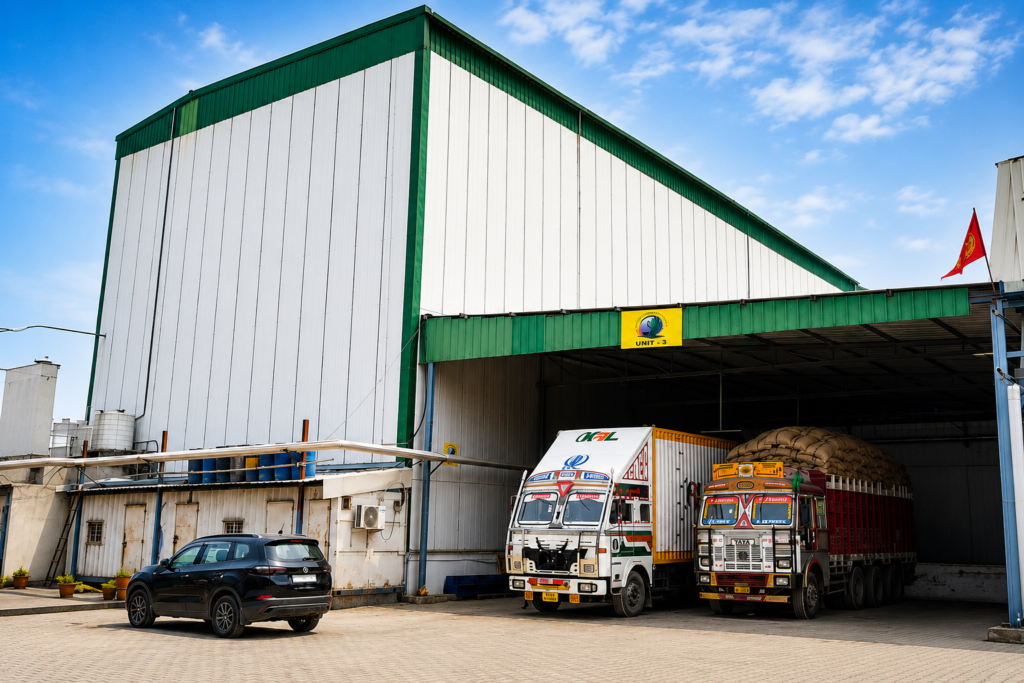
When it comes to Cold Storage for Imported Fruits, selecting a trusted storage partner is essential for maintaining freshness, reducing product losses, and supporting efficient inventory management.
DS Cold Storage Chain, located in Nathupur, Sonipat, Haryana, provides modern Cold Chain Solutions designed to meet the storage requirements of businesses dealing with imported fruits.
Our facility is built to support wholesalers, importers, distributors, retailers, supermarkets, and other businesses that require dependable Fruit Cold Storage services.
Our Key Strengths
- Modern cold storage infrastructure
- Temperature-controlled storage chambers
- Hygienic storage environment
- 24×7 CCTV surveillance
- Reliable backup systems
- Professional inventory handling
- Efficient loading and unloading facilities
- Focus on maintaining freshness and product quality
Whether your business deals with imported apples, kiwis, dragon fruits, avocados, grapes, blueberries, cherries, pears, plums, or other premium fruits, our storage solutions are designed to help preserve freshness while supporting efficient business operations.
At DS Cold Storage Chain, we understand that maintaining the quality of imported fruits is essential for customer satisfaction and long-term business success. Our commitment to reliable storage practices helps businesses reduce wastage and deliver premium-quality fruits to the market.
The Business Value of Professional Imported Fruit Storage
Investing in professional Imported Fruit Storage is more than simply renting warehouse space. It is an investment in product quality, operational efficiency, and customer trust.
Businesses that use professional Cold Storage Warehouse facilities often experience:
- Better inventory control
- Lower product losses
- Improved product quality
- Higher customer satisfaction
- Greater operational flexibility
- Reduced financial losses due to spoilage
- Stronger brand reputation
- Improved profitability
As consumer demand for imported fruits continues to grow in India, maintaining high storage standards has become increasingly important for businesses aiming to remain competitive.
Conclusion
Imported fruits represent premium-quality produce that requires careful handling throughout the supply chain. From the moment they arrive in India until they reach retailers and consumers, maintaining proper storage conditions is essential for preserving freshness, taste, texture, and nutritional value.
A professionally managed Cold Storage for Imported Fruits helps businesses reduce spoilage, extend shelf life, improve inventory management, and consistently deliver high-quality products to the market.
Whether you are an importer, wholesaler, distributor, supermarket, or retailer, investing in reliable Temperature Controlled Storage supports better product quality, minimizes losses, and enhances customer satisfaction.
If you are looking for dependable Imported Fruit Storage solutions in Nathupur, Sonipat, Haryana, DS Cold Storage Chain provides modern cold storage infrastructure designed to preserve the freshness and quality of imported fruits while supporting your business with reliable storage solutions.
Frequently Asked Questions (FAQs)
1. Why is cold storage important for imported fruits?
Cold storage helps maintain the freshness, quality, texture, and nutritional value of imported fruits by providing controlled temperature and humidity conditions. It also extends shelf life and reduces spoilage.
2. Which imported fruits require cold storage?
Many imported fruits benefit from cold storage, including apples, kiwis, grapes, avocados, dragon fruits, blueberries, cherries, pears, plums, oranges, lemons, and Thailand mini pineapples.
3. What is the ideal temperature for storing imported fruits?
The ideal storage temperature varies depending on the fruit variety. For example, apples are generally stored between 0°C and 4°C, while dragon fruits are typically stored between 5°C and 8°C.
4. How does cold storage help businesses?
Professional Cold Storage for Imported Fruits helps businesses reduce wastage, maintain product quality, improve inventory management, and maximize profitability.
5. Who can benefit from imported fruit cold storage?
Fruit importers, wholesalers, distributors, supermarkets, retail chains, hotels, restaurants, catering companies, and premium grocery stores all benefit from reliable Imported Fruit Storage facilities.
