
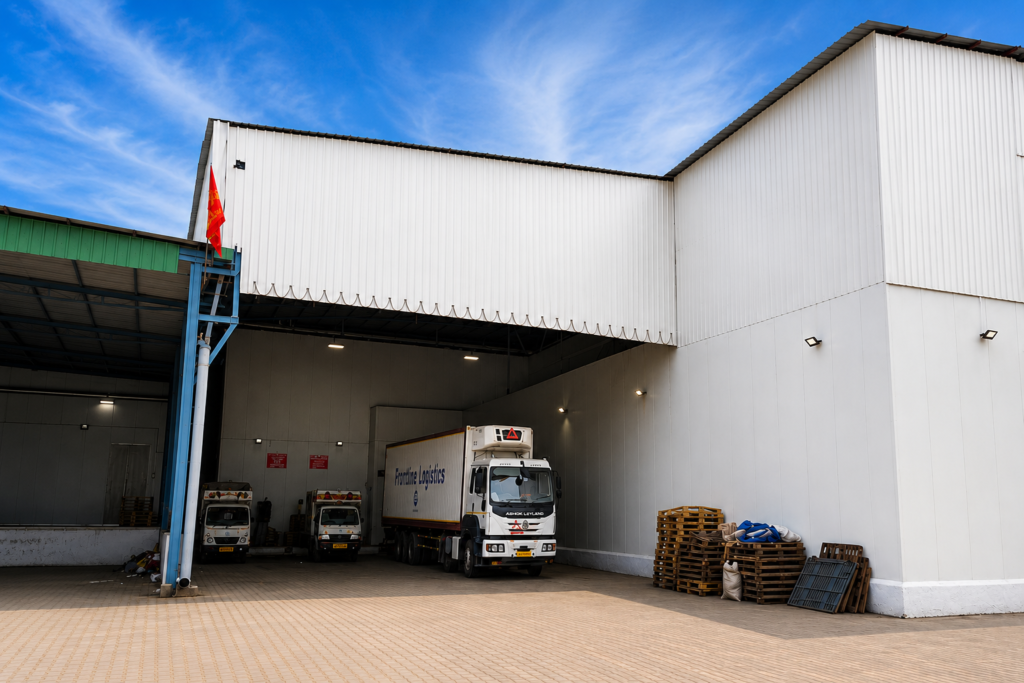
Fruits and vegetables are an essential part of the food supply chain, but they are also highly perishable. After harvesting, fresh produce continues to undergo natural processes such as respiration, moisture loss, ripening, and aging. Without proper storage conditions, these processes can quickly reduce freshness, quality, appearance, and shelf life. This is where Fruit Cold Storage plays an important role.
A professionally managed cold storage facility provides controlled temperature, suitable humidity, proper air circulation, and hygienic storage conditions for different types of fruits and vegetables. These controlled conditions help slow down the natural deterioration of fresh produce and allow businesses to maintain product quality for a longer period.
For fruit and vegetable traders, farmers, food businesses, wholesalers, retailers, and suppliers, investing in appropriate cold storage can make a significant difference in reducing wastage and maintaining the quality of harvested produce.
In this blog, we will discuss the major benefits of cold storage for fruits and vegetables, how controlled storage conditions help maintain freshness, and why choosing the right facility is important for businesses dealing with perishable produce.
What Is Fruit Cold Storage?
Fruit Cold Storage refers to a specially designed storage facility where fruits are kept under controlled environmental conditions to extend their usable shelf life and maintain their quality.
Unlike conventional warehouses, cold storage facilities are designed to manage important environmental factors such as temperature and humidity. Different fruits have different storage requirements, so maintaining appropriate conditions is essential.
For example, some fruits require relatively cool conditions, while others may be sensitive to very low temperatures. Proper storage therefore involves more than simply reducing the temperature. It requires suitable environmental control based on the characteristics of the produce.
A well-managed fruit cold storage facility can help businesses:
- Maintain freshness for longer periods
- Reduce premature ripening
- Minimize moisture loss
- Protect produce quality
- Reduce spoilage
- Improve inventory management
- Extend the marketable life of fresh produce
This makes cold storage an important part of modern fresh produce management.
Why Do Fruits and Vegetables Need Cold Storage?
Fresh fruits and vegetables are living products even after harvesting. They continue to breathe, lose moisture, ripen, and undergo biochemical changes. These natural processes can become faster under unsuitable environmental conditions.
High temperatures can accelerate ripening and deterioration. Excessive moisture loss can cause fruits and vegetables to become soft, shriveled, or less attractive. Improper storage can also increase the risk of spoilage.
Cold storage helps slow down these processes by creating a controlled environment.
The goal is not simply to keep produce cold. The goal is to maintain suitable storage conditions that help preserve quality for as long as practically possible.
This is particularly important for businesses handling large quantities of fruits and vegetables because even a small percentage of spoilage can result in considerable financial losses.
1. Extends the Shelf Life of Fresh Produce
One of the biggest advantages of Fruit Cold Storage is its ability to extend the shelf life of suitable fruits.
After harvesting, fruits gradually move through different stages of ripening. If they are exposed to unsuitable temperatures for extended periods, this process can become faster, reducing the time available for transportation, distribution, sale, or consumption.
Controlled cold storage slows down many of these natural processes.
By maintaining suitable storage conditions, businesses can keep fruits in a marketable condition for longer. This provides additional time to plan sales, manage inventory, and distribute produce according to market demand.
Similarly, appropriate Vegetable Storage conditions can help maintain the freshness and quality of vegetables for longer periods.
2. Helps Reduce Food Wastage
Food wastage is a major concern when dealing with perishable products.
Fruits and vegetables can deteriorate quickly when they are not stored properly. Spoilage, excessive ripening, moisture loss, and physical deterioration can make produce unsuitable for sale.
Proper cold storage can significantly reduce the speed of deterioration for produce that is suitable for refrigerated storage.
For businesses, this means a greater proportion of harvested or purchased produce can remain usable and marketable. Reducing avoidable spoilage can also improve resource efficiency and reduce financial losses.
A reliable Fresh Produce Storage facility therefore plays an important role in helping businesses manage perishable inventory more effectively.
3. Maintains Freshness and Product Quality
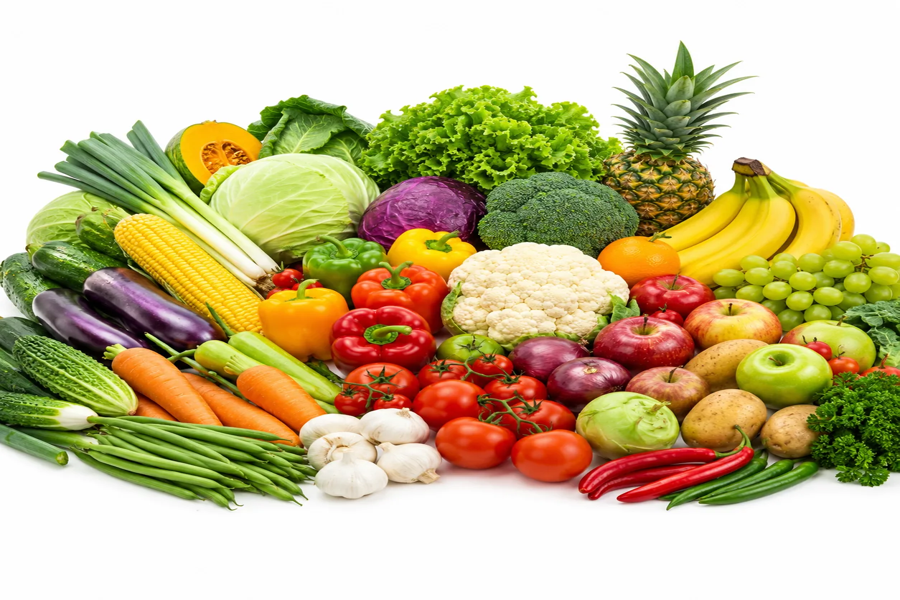
Freshness is one of the most important factors influencing the value of fruits and vegetables.
Customers generally look for produce with good appearance, texture, firmness, and overall quality. Poor storage conditions can negatively affect these characteristics.
Cold storage helps create a controlled environment where suitable fruits and vegetables can be maintained under appropriate conditions.
Proper temperature management can help slow down deterioration, while suitable humidity and air circulation can help reduce excessive moisture loss.
As a result, businesses can improve their ability to maintain the quality of fresh produce between harvesting, storage, and sale.
4. Helps Control the Ripening Process
Ripening is a natural process in many fruits. While ripening is important for developing desirable taste, texture, and aroma, uncontrolled or premature ripening can create major challenges for businesses.
If large quantities of fruit ripen at the same time, businesses may not have enough time to sell or distribute the produce before its quality begins to decline.
Fruit cold storage can help slow down the rate of ripening for suitable produce.
This gives businesses more flexibility when managing inventory and planning sales. Instead of being forced to sell all produce within a very short period, businesses may have more time to manage their stock according to demand and availability.
5. Supports Better Inventory Management
Managing fresh produce inventory can be challenging because fruits and vegetables have limited shelf lives.
Cold storage provides businesses with a controlled space where suitable produce can be stored systematically.
Better inventory management can help businesses monitor:
- Quantity of stored produce
- Storage dates
- Product condition
- Available stock
- Expected shelf life
- Market demand
This can make it easier to organize stock and reduce unnecessary losses.
For businesses dealing with seasonal fruits and vegetables, appropriate storage can also provide greater flexibility in managing supply during different periods of the year.
6. Helps Maintain Seasonal Produce
Many fruits and vegetables are available primarily during specific harvesting seasons.
Without proper storage, businesses may have limited opportunities to retain seasonal produce after peak harvesting periods.
Cold storage can help suitable produce remain available for a longer period beyond its immediate harvest window.
This does not mean every fruit or vegetable can be stored indefinitely. Each product has specific storage requirements and a practical storage life.
However, appropriate cold storage can help businesses manage seasonal availability more effectively and potentially make suitable produce available for a longer period.
7. Protects the Value of Fresh Produce
Fresh produce represents an investment for farmers, traders, wholesalers, retailers, and other businesses.
When produce deteriorates quickly, businesses may have to sell it at a lower price or discard it entirely.
Proper storage conditions can help protect the marketable quality of suitable produce.
Maintaining better appearance, firmness, freshness, and overall quality can help businesses preserve the commercial value of their inventory.
For businesses handling large volumes, even a modest reduction in spoilage can have a meaningful impact on overall profitability.
8. Supports Efficient Fresh Produce Storage
Fresh Produce Storage requires more attention than conventional dry storage because fruits and vegetables are sensitive to environmental conditions.
A suitable cold storage facility provides an environment specifically designed to manage perishable products.
Depending on the produce, important factors may include:
- Temperature
- Relative humidity
- Air circulation
- Cleanliness
- Storage duration
- Product compatibility
- Handling practices
Maintaining these factors properly can help create better storage conditions for perishable products.
Businesses should therefore choose a cold storage facility based on the type of produce they handle and its specific storage requirements.
9. Reduces Moisture Loss
Moisture loss is another major concern when storing fruits and vegetables.
Fresh produce naturally contains a significant amount of water. Under unsuitable conditions, produce can lose moisture, resulting in wilting, shriveling, weight loss, and changes in texture.
Appropriate temperature and humidity management can help reduce excessive moisture loss for suitable produce.
This is particularly important for vegetables and fruits where freshness and appearance are key factors in determining market value.
Proper Vegetable Storage therefore requires attention not only to temperature but also to humidity and air movement.
10. Helps Businesses Handle Larger Quantities
Businesses dealing with large quantities of fruits and vegetables need reliable storage capacity.
Without adequate storage space, managing bulk quantities of perishable produce can become difficult. Products may be exposed to unsuitable environmental conditions or remain in temporary spaces for too long.
A professionally managed cold storage facility provides dedicated space for storing suitable fresh produce under controlled conditions.
This can help businesses handle larger quantities while maintaining better organization and product quality.
11. Improves Supply Planning
Demand for fruits and vegetables can change depending on season, location, consumer preferences, and market conditions.
Cold storage provides businesses with greater flexibility in managing their available inventory.
Instead of immediately moving all suitable produce into the market after procurement or harvesting, businesses can use appropriate storage to better align inventory with demand.
This can support more organized supply planning and help businesses avoid unnecessary pressure to sell perishable products immediately.
12. Helps Maintain Better Hygiene and Storage Conditions
Hygiene is extremely important when dealing with food products.
A professionally managed cold storage facility should maintain suitable cleanliness and handling practices to create an appropriate storage environment.
Clean storage areas, organized product placement, regular monitoring, and proper handling practices can help reduce avoidable contamination and deterioration risks.
Cold storage should therefore be viewed as more than just refrigerated space. Proper facility management and responsible handling are equally important for maintaining fresh produce quality.
Fruit Cold Storage vs. Conventional Storage
Conventional storage and cold storage serve different purposes.
A regular warehouse may be suitable for products that do not require controlled temperatures. Fruits and vegetables, however, are generally more sensitive to environmental conditions.
In conventional storage, ambient temperature can fluctuate significantly depending on weather and surrounding conditions.
Cold storage provides greater control over the storage environment.
| Feature | Conventional Storage | Cold Storage |
|---|---|---|
| Temperature control | Limited | Controlled |
| Suitable for perishable produce | Limited | Better suited for suitable produce |
| Shelf-life management | Limited | Improved |
| Humidity management | Limited | Can be controlled |
| Freshness preservation | Limited | Better for suitable products |
| Large-scale fresh produce storage | Less suitable | More suitable |
The right storage method ultimately depends on the type of product and its specific requirements.
What Should You Consider When Choosing a Cold Storage Facility?
Choosing the right cold storage facility is important because different fruits and vegetables have different storage requirements.
Before selecting a facility, businesses should consider the following factors.
Storage Conditions
Ask whether the facility can provide suitable temperature and humidity conditions for the specific fruits or vegetables being stored.
Storage Capacity
The facility should have sufficient capacity for the quantity of produce you need to store.
Monitoring Systems
Regular monitoring of storage conditions is important for maintaining a stable environment and identifying potential issues quickly.
Hygiene and Maintenance
Clean and properly maintained storage areas are essential when handling fresh produce.
Facility Management
A professionally managed facility should have organized storage procedures, responsible handling practices, and suitable monitoring processes.
Location
The location of the cold storage facility can also be important when businesses need convenient access to their stored inventory and target markets.
How DS Cold Storage Chain Supports Fresh Produce Storage

DS Cold Storage Chain provides cold storage solutions designed to support businesses dealing with suitable perishable products, including fruits and vegetables.
The facility focuses on maintaining controlled storage conditions to help businesses preserve the quality and freshness of their products.
For businesses looking for Fruit Cold Storage, appropriate storage conditions can help extend the marketable life of suitable fruits, reduce avoidable spoilage, and provide better inventory flexibility.
Similarly, businesses requiring Vegetable Storage can benefit from an organized cold storage environment designed to support the specific requirements of fresh produce.
With suitable storage infrastructure, monitoring, and professionally managed facilities, DS Cold Storage Chain aims to provide businesses with a reliable environment for their fresh produce storage requirements.
Businesses can learn more about the available services through the Our Services and explore the main website at DS Cold Storage Chain .
Why Professional Cold Storage Is Important for Fresh Produce Businesses
Using a professional cold storage facility can provide several advantages compared with relying on temporary or unsuitable storage spaces.
Professional facilities are designed around controlled environmental conditions and organized storage practices.
For businesses handling large volumes of fresh produce, this can help reduce the risk of unnecessary deterioration and make inventory management more efficient.
A professional cold storage partner can also give businesses greater confidence that their produce is being stored in an environment designed specifically for perishable products.
However, businesses should always confirm the exact storage requirements of their products before placing them in cold storage because not every fruit or vegetable requires the same temperature, humidity, or storage conditions.
Frequently Asked Questions About Fruit Cold Storage
What is Fruit Cold Storage?
Fruit Cold Storage is a controlled-temperature storage facility designed to help maintain the quality and freshness of suitable fruits for longer periods. It helps slow down natural deterioration, ripening, and moisture loss.
How does cold storage help fruits and vegetables?
Cold storage helps maintain suitable environmental conditions for perishable produce. It can slow down deterioration, reduce excessive moisture loss, help control ripening, and extend the marketable life of suitable fruits and vegetables.
Does cold storage prevent fruits from spoiling?
Cold storage does not prevent spoilage indefinitely. It helps slow down deterioration when the correct conditions are maintained. The storage life depends on the type, quality, maturity, and condition of the produce.
Is cold storage suitable for all vegetables?
Not necessarily. Different vegetables have different storage requirements. Temperature, humidity, air circulation, and storage compatibility should be considered before storing a particular vegetable.
How long can fruits stay in cold storage?
The storage duration varies significantly depending on the fruit, variety, maturity, quality, temperature, humidity, and other storage conditions. Some fruits can remain suitable for extended periods, while others have a much shorter storage life.
Why is humidity important in vegetable storage?
Humidity affects moisture loss. If humidity is unsuitable, vegetables can lose water and become wilted or shriveled. Proper humidity management can therefore help maintain freshness and quality for suitable vegetables.
How can businesses choose the right cold storage facility?
Businesses should consider storage conditions, capacity, hygiene, monitoring systems, facility management, location, and whether the facility can meet the specific requirements of their fruits or vegetables.
Conclusion
Fruits and vegetables are highly perishable products that require appropriate storage conditions to maintain their freshness, quality, and marketability.
A professionally managed Fruit Cold Storage facility can provide businesses with a controlled environment that helps slow down natural deterioration, manage ripening, reduce moisture loss, minimize avoidable wastage, and extend the usable life of suitable fresh produce.
Similarly, effective Vegetable Storage can help businesses maintain the quality and appearance of vegetables while improving inventory management and supply planning.
For businesses dealing with fresh fruits and vegetables, choosing the right Fresh Produce Storage facility can therefore be an important part of protecting product quality and reducing unnecessary losses.
With appropriate infrastructure, controlled conditions, monitoring, and professional management, cold storage can become an important asset for businesses looking to manage perishable produce more efficiently.
